
If you've got comics to sell and don't want to get ripped off
Where to sell comic books (without getting ripped off)
There's no single best place to sell comics — the right place depends on what each book is. Here's how to match valuable issues, middle books, and common piles to the right buyer, and how to spot a fair offer.
Updated June 19, 2026
You’ve got comics to sell, and the real worry isn’t finding a buyer — it’s not getting ripped off. Here’s the part most advice skips: there’s no single best place to sell comics. The right place depends on what each book is. Sell a valuable issue in a bulk lot and you give the buyer the better end of the deal; list a common book on its own and you’ll wait weeks for a few dollars. Match the book to the channel and you keep both the money and the time.
There’s treasure hiding in that box — but usually in a few books, while the rest are common. Where you sell each one is what protects the difference.
First, know what each book is worth
You can’t pick the right place to sell until you know whether a book is worth $5 or $500. So before you list or haul anything anywhere, do one fast pass — Pick. Snap. Sort.
- Pick — take a book.
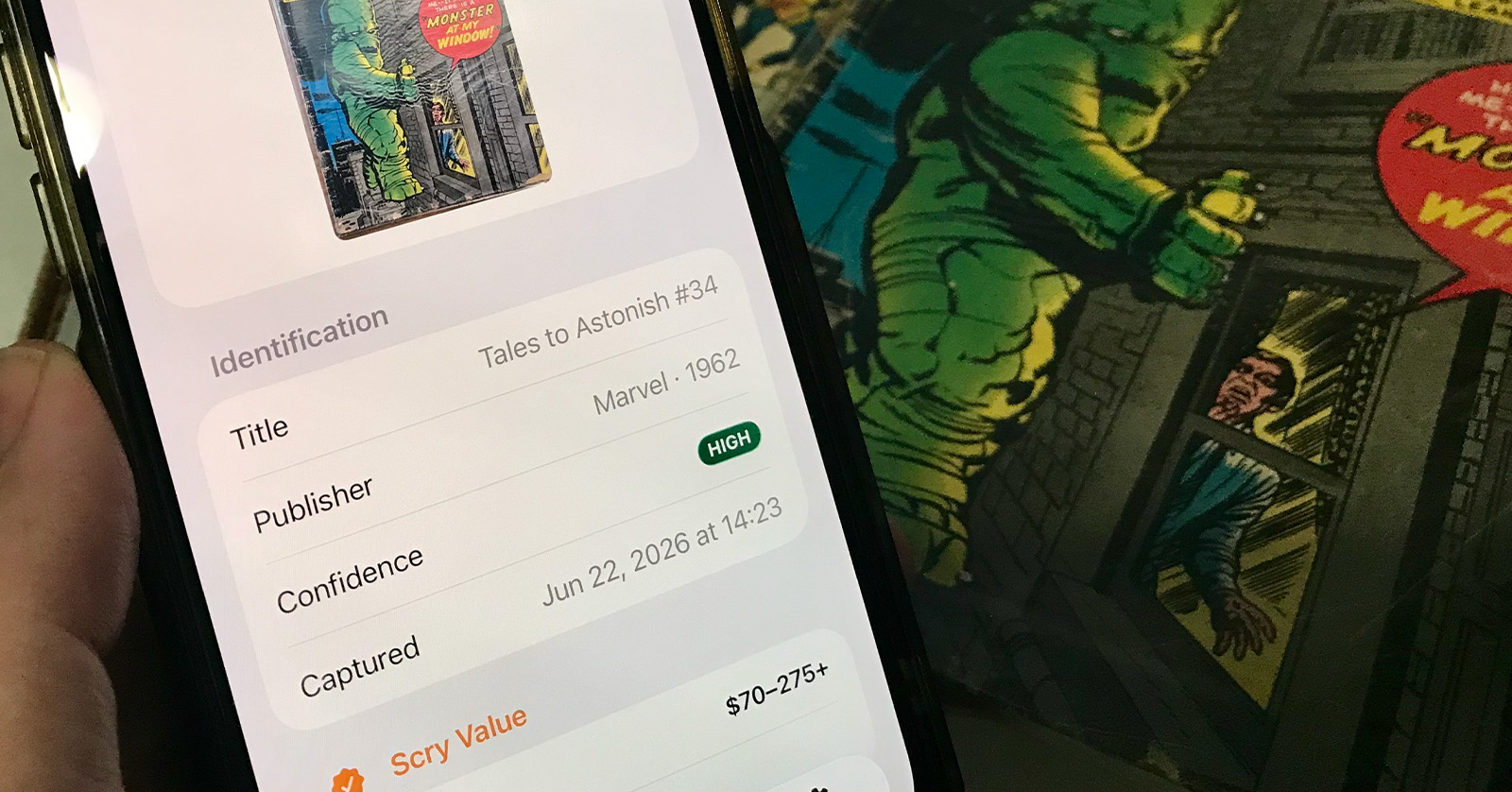
- Snap — point your phone at the cover to identify it and see a price range. Comic Scry is built on the volunteer-run Grand Comics Database (which we credit and donate to), and it shows the current asking prices for the book — a market signal to help you sort, not an appraisal.
- Sort — into three piles by how you’ll sell: standouts to sell individually, solid-middle books, and common books for a bulk lot.
You scan the candidates, not every book, so a few hundred scans covers a big collection. Your first 5 scans are free, with no account and no payment; after that it’s $19.99 once for 500, never a subscription.
Now you can match each pile to the right buyer.
Match the book to the channel
Valuable standouts — sell individually. A reputable local comic shop, a collector marketplace, or an auction house for the highest-value books. Individual sales get you the most, but they take photos, listings, and patience. For the top few books, an auction reaches serious buyers and is worth the cut it takes.
Solid-middle books — online marketplaces. Priced against what comparable copies actually sell for. You’ll usually net more than a shop pays, minus fees and shipping. Worth it for books with real value; not worth it for a dollar book.
Common books — bulk lots. Group them by run, era, or publisher and sell them together — locally, or by the box to a liquidator. The goal here is clearance, not squeezing each book. Listing common comics one at a time is the classic time sink.
How not to get ripped off
The fear is real, so here’s the short version:
- Know the asking-price range before any offer. An offer only looks like a ripoff — or a steal — once you know what the book is going for.
- A shop paying below retail isn’t a scam. They resell at a profit and carry the cost and risk, so expect well under retail for a quick, whole-collection sale. What you’re guarding against is a standout book offered far below its range.
- Never sell everything for one flat price without checking for standouts first. A flat offer is priced assuming the buyer finds the valuable books. Pull those out, then sell the rest as a lot.
- Be wary of pawn shops and “we buy anything” buyers for valuable books — they pay flat and count on you not knowing what you have.
- Get a second opinion on anything high-value before you accept.
Know before you sell
Don’t haul boxes to the first buyer and hope. Scan the standouts, learn what they’re worth, and match each pile to the right place: individual sales for the valuable ones, a marketplace for the middle, a bulk lot for the rest. The books don’t change — what changes is whether you sold them for what they’re worth.
New here? Start with are old comics actually worth anything? — and if a whole collection just landed on you, see I inherited a box of comics or the deeper estate-selling guide.
Common questions
- What's the single best place to sell comics?
- There isn't one — it depends on the book. Valuable single issues do best sold individually (a shop, a collector marketplace, or an auction for the highest-value ones); common books do best as a bulk lot. Using one channel for everything is how people either give away the good ones or waste weeks on the common ones.
- How much will a comic shop pay compared to what a book is worth?
- Less than retail — usually well under — because they're buying to resell at a profit and carry the labor, storage, and risk. That's normal, not a ripoff. The asking-price range shows roughly where the market is, so you can tell a fair offer from a lowball; walk away only if a standout book is offered far below it.
- eBay or a local shop?
- A shop is faster and clears everything at once but pays below retail. Selling valuable books individually online usually nets more, but you pay fees, shipping, and time. A common split: sell the few standouts individually, take the rest to a shop or move it as a bulk lot.
- How do I avoid getting ripped off?
- Know the value range before you accept any offer, and never sell the whole collection for one flat price without checking for standouts first — a flat offer is priced assuming the buyer finds the valuable books. For anything high-value, get a second opinion.
- Should I sell to a pawn shop or a 'we buy anything' buyer?
- Not for anything that might be valuable. They pay flat rates and count on you not knowing what you have. Use them only for genuinely common books you just want gone — and even then a local bulk-lot buyer usually pays more.
- Do I need to grade my comics before selling?
- No, not up front. Professional grading — a third-party service that certifies condition — costs money and weeks of time and only pays off on genuinely high-value books. Identify the standouts first, then ask a dealer whether grading a specific book is worth it.
- Will it work on damaged or bagged covers, and is the value range what I'll actually get?
- It reads the cover art and scans through a sleeve; heavy damage or glare can block it. The range is what people are currently asking for the same book — a market signal, not a sold price or guaranteed offer. Asking prices run higher than final sales, and condition and the exact edition move the real number.
- What do I do with the common books nobody seems to want?
- Sell them together as a bulk 'reader' lot — locally or by the box to a liquidator. Don't list common books one at a time; the fees and effort cost more than they're worth. Donating or recycling badly damaged ones is fine too.
- Do I need an account or to pay to check values first?
- No account, no payment to start. Your first 5 scans are free; after that it's a one-time $19.99 for 500 scans, never a subscription.